The Surprising Connection In Between Your Gut Microbiome And Sleeping Well
Furthermore, these organic signaling particles have an impact on natural chemical systems involved in rest regulation, such as serotonin and dopamine. Severe exercise marginally affects sleep architecture by increasing slow-moving wave sleep (SWS), postponing the start of rapid eye movement sleep (REM) rest, and lowering the complete amount of rapid eye movement sleep53,54,56. Working out 4-- 8 h prior to going to bed lowers the rest start latency and wakefulness after rest onset. Working out more than 8 h before or less than 4 hours prior to bedtime, nonetheless, may have adverse effects53,55,56. Unlike usual ideas, evidence suggests that modest and low-intensity working out Go here near going to bed is less likely to interrupt sleep in kids and young people that usually sleep well59,60. Goal measurements like polysomnography have shown a boost in NREM rest percentage after vigorous or modest late-night exercise61,62.
The circadian rhythm, an approximately 24-hour cycle, regulates whatever from sleep-wake patterns to hormonal agent release and metabolic rate. When this internal timing system is interrupted-- whether by change job, jet lag, or lifestyle aspects-- it can bring about difficulties in dropping off to sleep or staying awake at the wanted times. This accuracy makes them particularly enticing for complicated medical challenges, consisting of rest conditions, where solutions frequently call for fragile inflection of hormonal agents and natural chemicals. Rest problems are hardly ever one-dimensional; they come from a detailed web of neurochemical discrepancies, hormonal misfires, and cellular interruptions. Peptides, with their capability for targeted intervention, offer hope in browsing this challenging terrain.
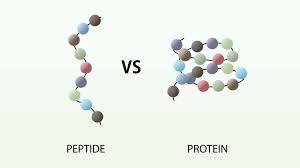
What Are Peptides?
Rest top quality is a key sign of total rest health and wellness, with disruptions often manifested via difficulties initiating rest, keeping rest, or experiencing regular awakenings8,9. Sleeping disorders, the most typical sleep condition, is marked by persistent discontentment with rest period or high quality, consisting of challenges in going to sleep, numerous awakenings, and early awakenings10. Prevalence rates of sleeplessness typically range from 10% to 30% but can reach 50% to 60% in certain populations11,12,13. This problem is significantly extra extensive among older grownups, females, and those with physical or psychological health and wellness problems. The repercussions of insufficient rest quality expand beyond lessened cognitive functions, including interest and memory, and adversely impact physical health and wellness, social interactions, and mental well-being14,15.
Subjective Rest Journal Data
Additionally, L-serine, a precursor for glycine, taken 30 min before bedtime improved subjective sleep top quality, and caused a moderate decline in actigraphic awakenings compared to a sugar pill [20] The impact of exercise on human body clocks is complex, impacting crucial physical procedures, rest top quality, and total wellness. Regular exercise features as a solid non-photic zeitgeber, aiding in the stabilization and alignment of circadian rhythms, thus relieving negative effects from circadian disruptions. Workout is a vital non-photic signal that regulates body clocks, specifically with its interaction with the suprachiasmatic center (SCN), the mind's main circadian regulator75.
An additional research study has actually shown that galanin promotes rest by hindering the noradrenergic system which causes wakefulness. Galanin was found by Dog's group at the Karolinska Institute in Stockholm in the 1980s. It is made up of 29 amino acids (30 in human beings) and is considered as a "classic neuropeptide" that manages neurotransmission in the CNS and PNS. On top of that, the mRNA expression of galanin is discovered in γ-aminobutyric acid (GABA)- favorable nerve cells in the ventrolateral preoptic center (VLPO) [35], which is an important core of the sleep-- wake policy. Moreover, a number of research studies have demonstrated that the VLPO sends out repressive projections to numerous sleep-related nuclei, such as the TMN and various other arousal systems in the brain stem, including the DRN and the LC [36]
- Exercise increases core, skin, and mind temperature levels, which vary based upon the strength and duration of the workout and on environmental variables such as ambient temperature and humidity82,83.Workout affects body temperature level both during and after exercise, one more path by which exercise can affect sleep.In addition, L-serine, a forerunner for glycine, taken 30 minutes before bedtime improved subjective rest quality, and led to a small reduction in actigraphic awakenings contrasted to a placebo [20]People with chronic sleep problems show a raised heart rate and lowered heart rate irregularity prior to rest beginning and in stage-2 SWS compared with controls, with marginal distinctions observed in stage-3 SWS.Although the overall development hormone levels stay unmodified, resistance exercise modifies the secretion patterns by decreasing the ruptured mass and amplitude while raising the regularity of bursts95.Exercise has a favorable impact on rest, but elements such as age, sex, and health and fitness degree, and certain workout elements such as intensity, duration, and timing play important roles.
Where To Buy Dsip